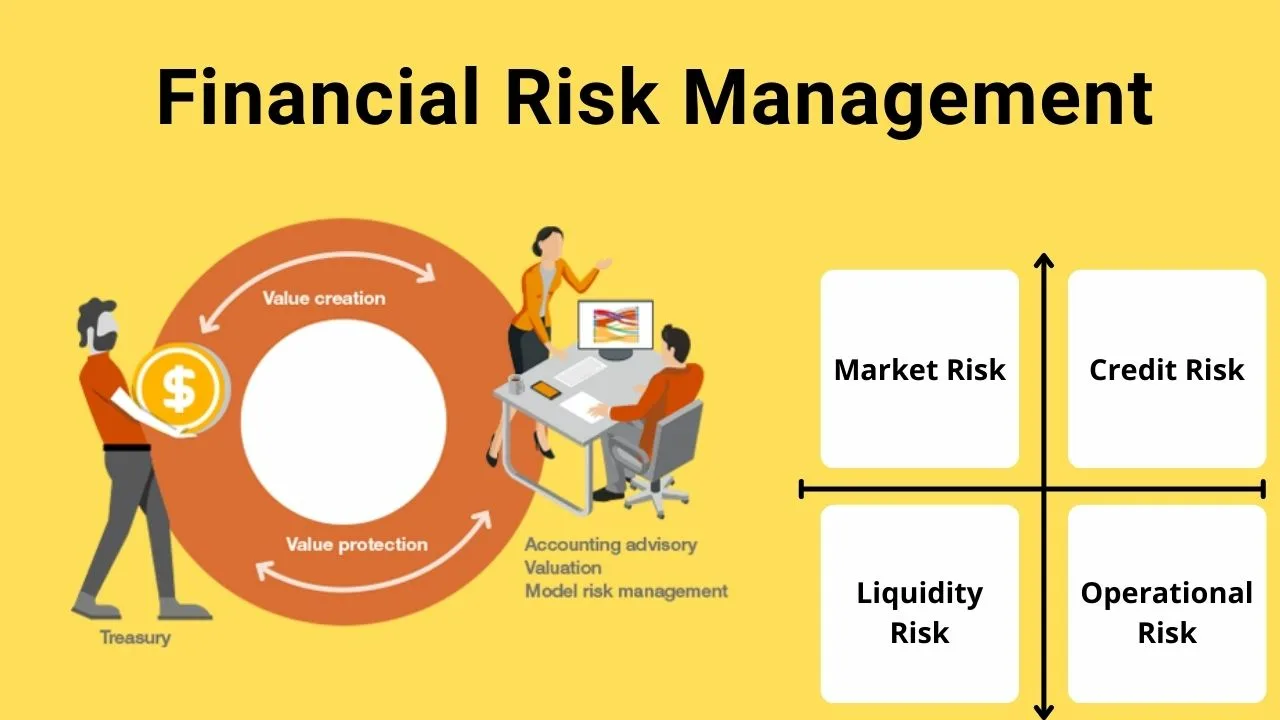
Financial risk management is essential for organizations operating in modern financial markets. Businesses and financial institutions must evaluate potential risks associated with investments, market fluctuations, and economic uncertainty. Effective risk management strategies help companies maintain stability while pursuing growth opportunities.
One common risk management approach involves diversification. By spreading investments across multiple asset classes, organizations reduce the potential impact of losses in any single investment. Diversification helps create more balanced portfolios.
Financial institutions also rely on analytical tools to evaluate market risks. Data analysis and financial modeling allow experts to forecast potential economic changes and assess investment outcomes. These tools help decision-makers design strategies that protect assets.
Regulatory frameworks also support financial stability. Governments and international financial organizations establish rules that encourage transparency and responsible financial practices. Regulatory oversight helps prevent excessive risk-taking within financial markets.
Insurance products provide another layer of financial protection. Companies often insure assets and operations to reduce the financial impact of unexpected events.
Strong financial risk management systems combine analytical expertise, regulatory compliance, and strategic planning. Organizations that carefully evaluate risks are better prepared to navigate economic uncertainty and maintain long-term financial performance.