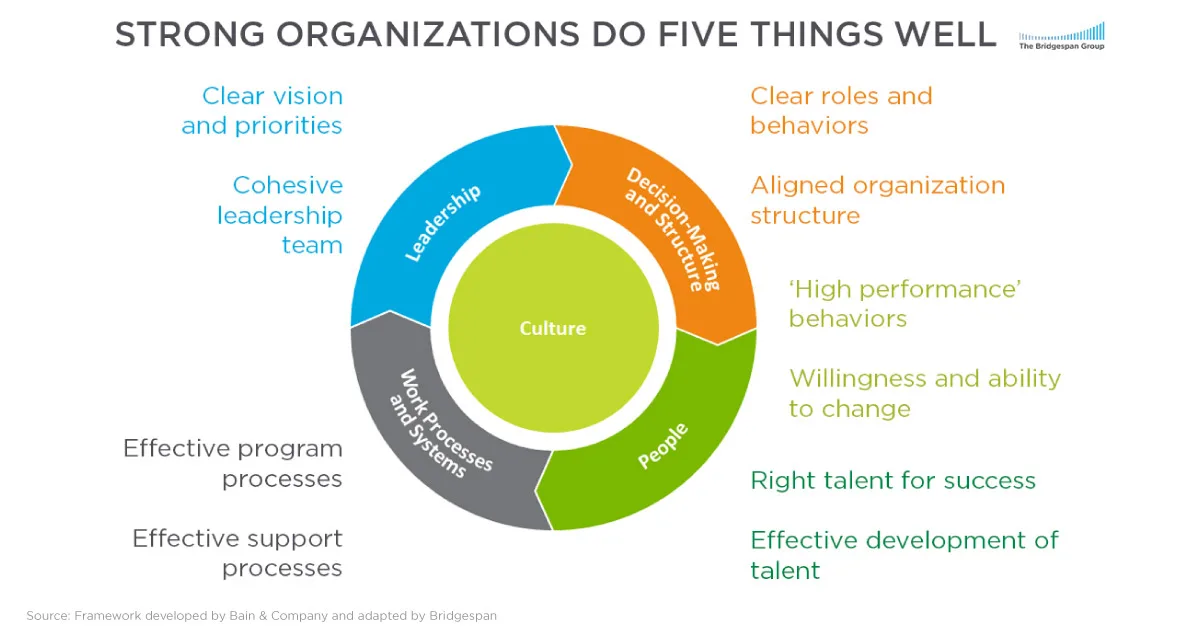
Leadership strategies determine how organizations grow and respond to challenges. Effective leaders create environments where employees feel motivated to contribute their best ideas and skills. Strong leadership combines clear vision, communication, and the ability to guide teams through change.
One important leadership strategy involves setting clear organizational goals. Leaders communicate expectations and align teams around shared objectives. When employees understand how their work contributes to broader company goals, they often feel more engaged and productive.
Communication also plays a vital role in leadership success. Transparent communication helps build trust between management and employees. Leaders who encourage open dialogue often receive valuable feedback that improves decision-making.
Adaptability is another essential leadership skill in modern organizations. Rapid technological change and global competition require leaders to adjust strategies quickly. Organizations that remain flexible can respond effectively to market changes and new opportunities.
Leadership development programs help organizations prepare future leaders. Mentorship initiatives, training workshops, and collaborative projects allow employees to develop management skills and strategic thinking.
Ethical leadership is equally important. Responsible leaders consider the long-term impact of their decisions on employees, customers, and communities. Organizations that maintain ethical leadership standards often build stronger reputations and long-term trust.