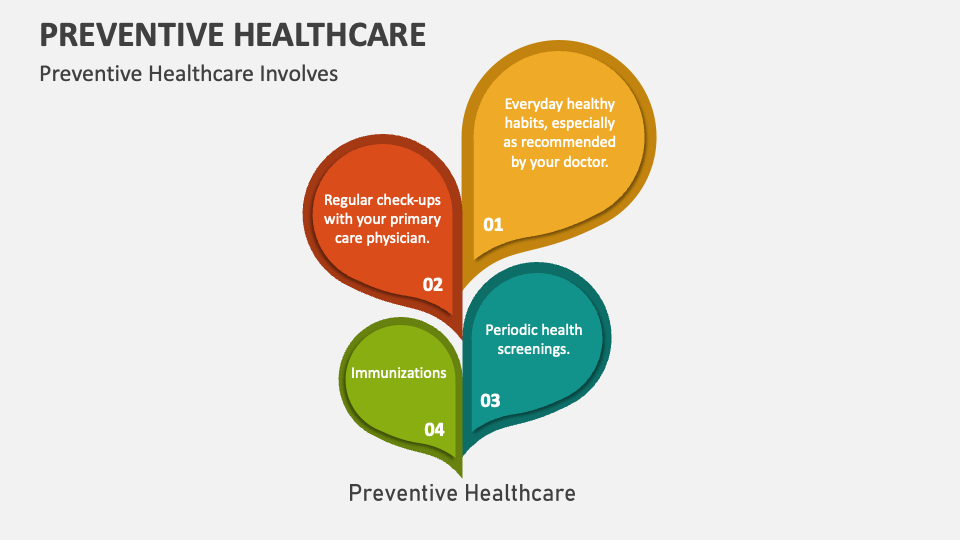
Preventive healthcare focuses on reducing the risk of disease through education, early detection, and healthy lifestyle habits. Healthcare systems increasingly emphasize prevention as a cost-effective way to improve public health outcomes.
Routine medical screenings allow doctors to identify potential health issues before they become serious conditions. Early detection often leads to more effective treatment and improved recovery rates.
Public health campaigns educate communities about healthy behaviors such as balanced nutrition, regular physical activity, and avoiding harmful habits like smoking.
Vaccination programs remain one of the most successful preventive healthcare strategies. Immunization protects individuals and communities by preventing the spread of infectious diseases.
Mental health awareness is also an important aspect of preventive healthcare. Stress management, social support, and mental wellness programs help individuals maintain emotional well-being.
Healthcare providers collaborate with governments and international organizations to promote preventive health initiatives.
By encouraging healthier lifestyles and early medical intervention, preventive healthcare systems help improve quality of life and reduce long-term healthcare costs.