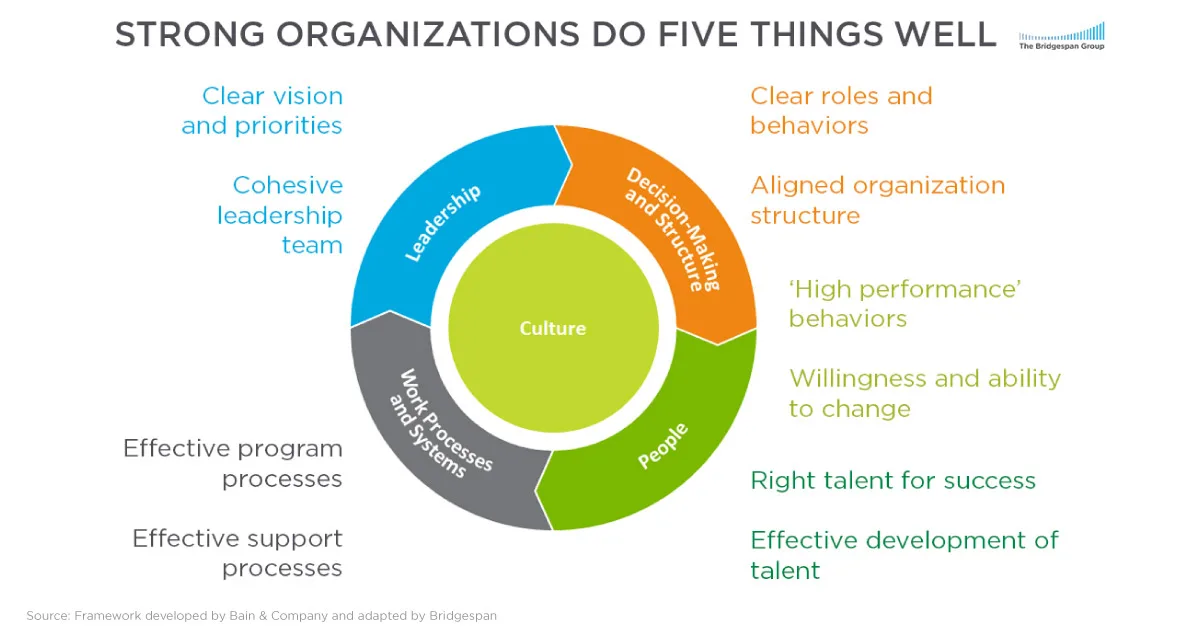
Corporate governance refers to the systems and processes that guide how companies are managed and controlled. Strong governance structures ensure that organizations operate responsibly and maintain accountability to shareholders, employees, and customers.
One important aspect of corporate governance is transparency. Companies must provide accurate financial reporting and communicate openly about business operations. Transparent practices build trust with investors and regulatory authorities.
Board oversight is another key component. Boards of directors supervise company management and ensure that strategic decisions align with long-term organizational goals. Independent board members often contribute valuable external perspectives.
Ethical business practices are essential for maintaining corporate reputation. Companies that prioritize integrity and responsible decision-making tend to build stronger relationships with stakeholders.
Corporate governance frameworks also include policies related to risk management, regulatory compliance, and internal auditing. These mechanisms help organizations monitor performance and prevent operational failures.
Governments and financial regulators establish governance guidelines that encourage responsible business conduct. Organizations that follow these standards contribute to more stable and trustworthy economic systems.
Strong corporate governance ultimately supports sustainable business growth while protecting the interests of stakeholders.