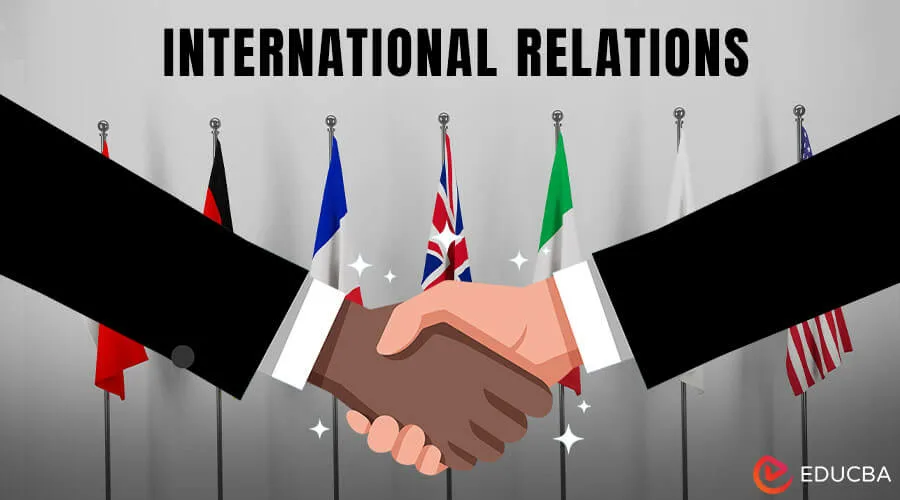
International relations shape how countries interact in the areas of diplomacy, trade, security, and cultural exchange. In an increasingly interconnected world, cooperation between nations plays a vital role in addressing global challenges and maintaining stability.
Diplomatic dialogue allows governments to resolve disputes and negotiate agreements that support peace and economic development. International organizations provide platforms where countries can collaborate on issues such as climate change, global health, and technological regulation.
Economic cooperation is another important component of international relations. Trade agreements allow countries to exchange goods and services more efficiently while strengthening economic ties. These agreements also help reduce tariffs and improve access to global markets.
Security cooperation is equally important. Countries often work together through defense alliances and joint security initiatives to address threats such as terrorism and cybercrime. Collaborative security frameworks strengthen global stability.
Cultural exchange programs also contribute to international understanding. Educational partnerships, academic research collaborations, and cultural initiatives allow societies to learn from one another and strengthen diplomatic relationships.
As globalization continues to expand, international cooperation will remain essential for solving complex challenges and supporting sustainable development worldwide.